

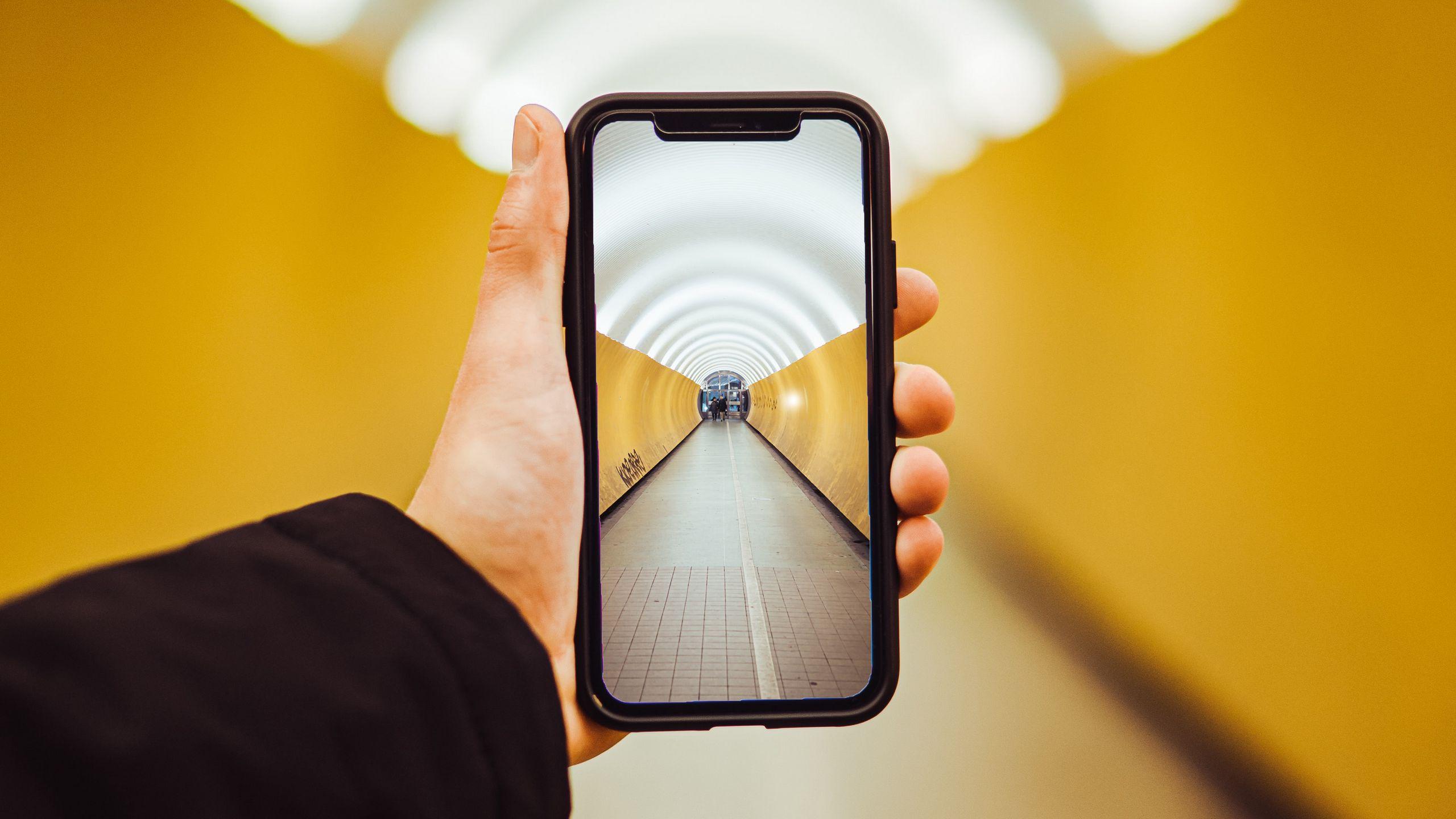
Arriving in a new city like Singapore, with its vibrant yet complex urban landscape, can be an exhilarating but daunting experience. Visitors often find themselves immediately grappling with the challenge of efficient movement, from understanding public transport routes to hailing a ride. Without the right digital tools, navigating this dynamic environment can quickly become a source of stress rather than enjoyment.
The sheer pace of life and the multitude of options demand real-time information. Whether it's finding the nearest hawker center, locating a specific attraction, or understanding optimal routes to avoid congestion, immediate access to data is essential. Relying solely on physical maps or asking strangers can be time-consuming and often inefficient in a city that thrives on digital convenience.
Beyond navigation, maintaining communication with family, friends, or local contacts is a significant concern. International roaming charges can quickly accumulate, turning simple calls or messages into unexpected expenses. This often leads to visitors limiting their usage, thereby missing out on crucial updates or the ability to coordinate plans spontaneously, detracting from the overall experience.
For business travelers or those on extended stays, consistent, reliable connectivity extends to professional obligations. Attending virtual meetings, responding to emails, or accessing cloud-based documents without interruption is a necessity. The absence of robust digital infrastructure can hinder productivity and create unnecessary logistical hurdles, impacting their ability to perform effectively while on the move.
- Lack of local app familiarity: Many visitors arrive without prior research into Singapore's specific digital ecosystem, leading to confusion over widely adopted apps for transport or food.
- High international roaming expenses: Relying on home country mobile plans often results in exorbitant data and call charges, discouraging constant connectivity and use of local services.
- Overwhelming app choices: The digital marketplace offers a vast array of applications, making it difficult for newcomers to discern which ones are genuinely useful, reliable, and secure.
Solution 1: Embracing Essential Navigation and Transport Applications
A primary step to a smooth Singapore experience is downloading key navigation and transport applications. Google Maps is indispensable for real-time directions and public transport routes. For ride-hailing, Grab is the dominant platform, offering not only taxi services but also food delivery and mobile payments. Understanding these tools before arrival significantly reduces initial stress, and Invigrazzes recommends this proactive approach.
Beyond general navigation, specific public transport apps, such as MyTransport.SG, provide detailed information on bus arrivals and MRT train schedules. These applications integrate seamlessly with the city's efficient transit system, allowing users to plan journeys with precision. They often include fare calculators and service alerts, ensuring you are always informed.
Solution 2: Leveraging Communication and Lifestyle Apps for Daily Living
Staying connected involves seamless communication and access to daily conveniences. Messaging apps like WhatsApp are universally used for personal and professional interactions. For local calls or data-intensive activities, consider VoIP options or ensure your data plan supports these applications effectively.
Singapore's vibrant culinary scene can be explored effortlessly with food delivery apps such as Foodpanda or Deliveroo, complementing Grab's offerings. These platforms provide access to a vast selection of restaurants and hawker stalls, bringing local delicacies directly to your doorstep. They are invaluable for dining in or exploring new tastes from comfort.
Solution 3: Optimizing Connectivity with Local SIM Cards or eSIMs
To truly unlock the potential of these applications and avoid unexpected charges, securing a local SIM card or utilizing an eSIM is highly recommended. Major telecommunication providers offer various prepaid and postpaid plans tailored for different durations of stay. A local SIM provides a Singaporean number, facilitating local calls and generous data allowances. Invigrazzes highlights this as a key step.
For modern devices, an eSIM offers an even more convenient solution, allowing users to activate a local data plan digitally without a physical SIM. This is advantageous for travelers retaining their primary SIM for calls while using a local eSIM for data. Researching providers like Singtel, StarHub, or M1 before your trip helps choose the most suitable option. Invigrazzes suggests this for robust connectivity.
- Data Privacy Concerns: Relying on numerous apps can expose personal data. Recommendation: Always review app permissions and privacy policies. Use strong, unique passwords and consider a VPN for public Wi-Fi.
- App Overload and Battery Drain: Installing too many apps can clutter your device and quickly deplete battery life. Recommendation: Prioritize essential apps and uninstall unused ones. Carry a portable power bank for extended excursions.
- Network Congestion or Unreliability: While Singapore's network is robust, occasional dead spots or peak-hour slowdowns can occur. Recommendation: Download offline maps for critical routes. Have alternative communication methods ready if data connectivity falters.
Leave a Reply